



Wildlife in Cambria: What You’ll See, What You Might See, and What Locals Still Get Excited About
In Cambria, wildlife is not something you schedule for one afternoon.
It shows up while you are doing something else.
A southern sea otter drifting through kelp while you walk Moonstone Beach. Black-tailed deer moving through the pines at dusk. Brown pelicans flying low over the water in perfect formation. A red-tailed hawk circling over Fiscalini Ranch while the trail below stays quiet.
Spend enough time here and the question changes.
Not, “Will we see anything?”
But, “What might show up today?”
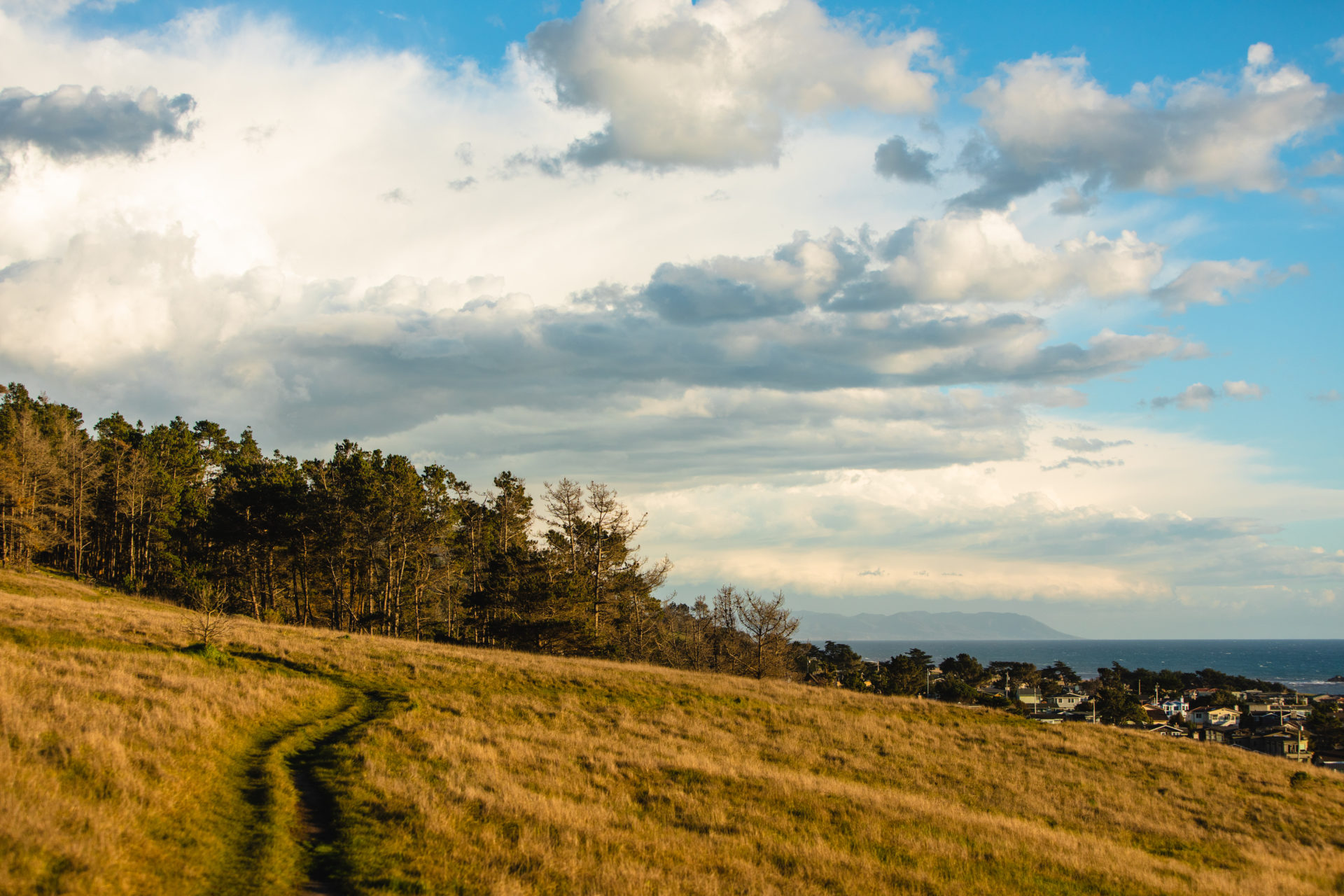
Cambria sits in a rare overlap of habitats: rocky shoreline, tide pools, coastal bluff, Monterey pine forest, riparian corridors, wetlands, seasonal marsh, and open coastal prairie. Fiscalini Ranch Preserve alone includes riparian habitat, tidal zones, coastal prairie, seasonal marshes, and wetlands, which helps explain why this small town supports such a rich range of wildlife.
Wildlife You Can Almost Always Count On
Brown Pelicans
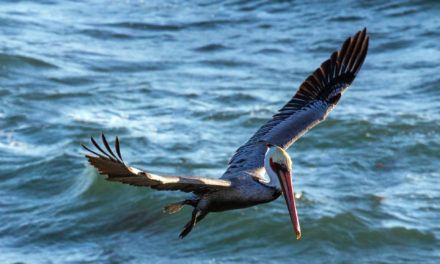
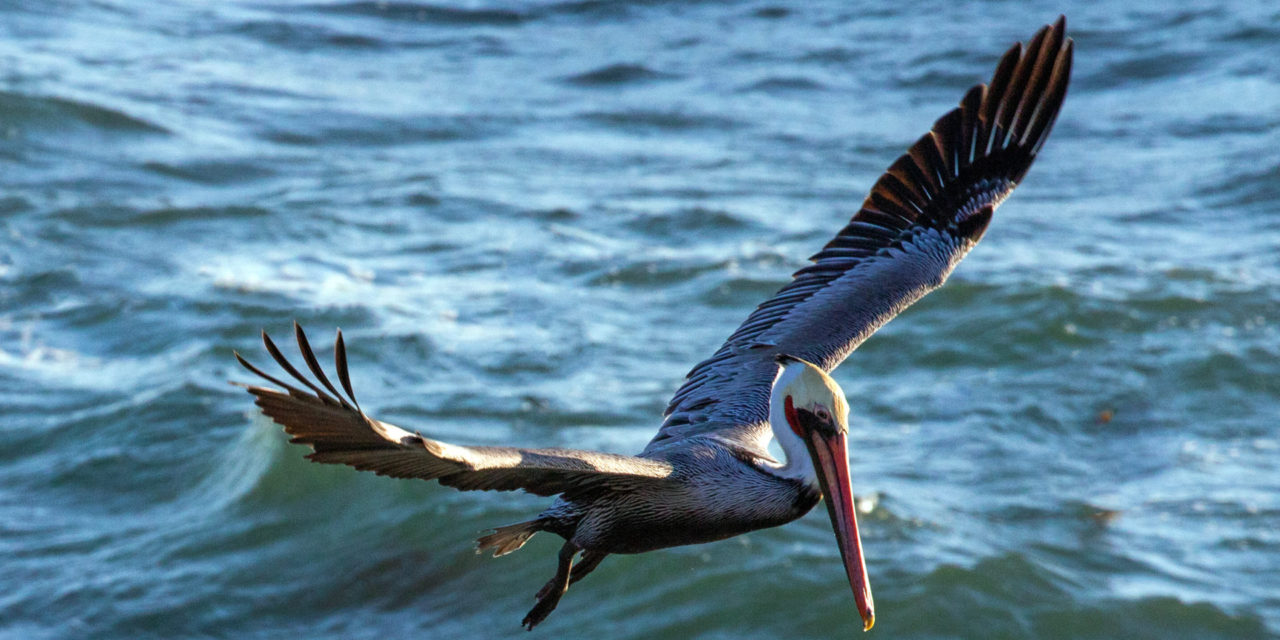
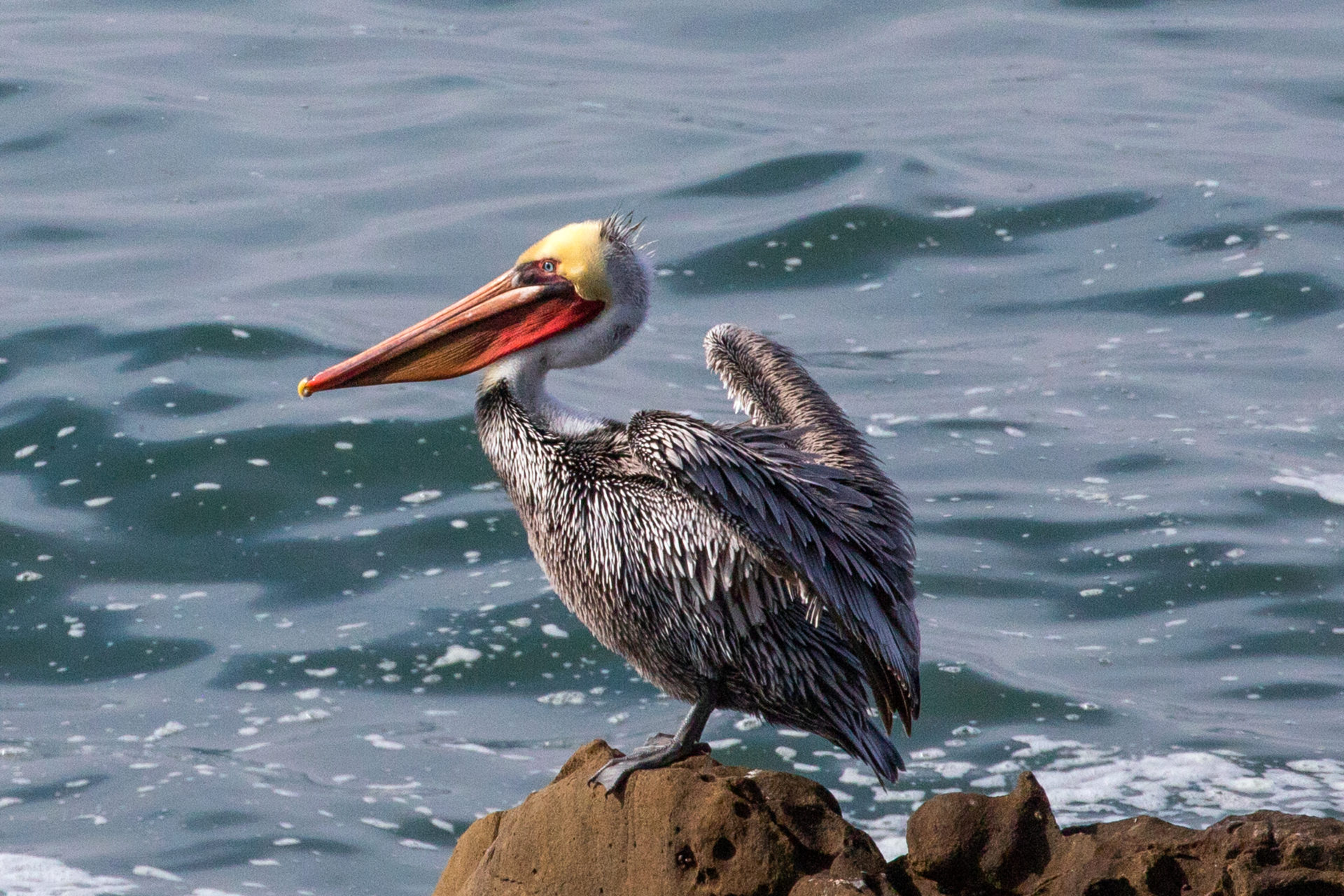
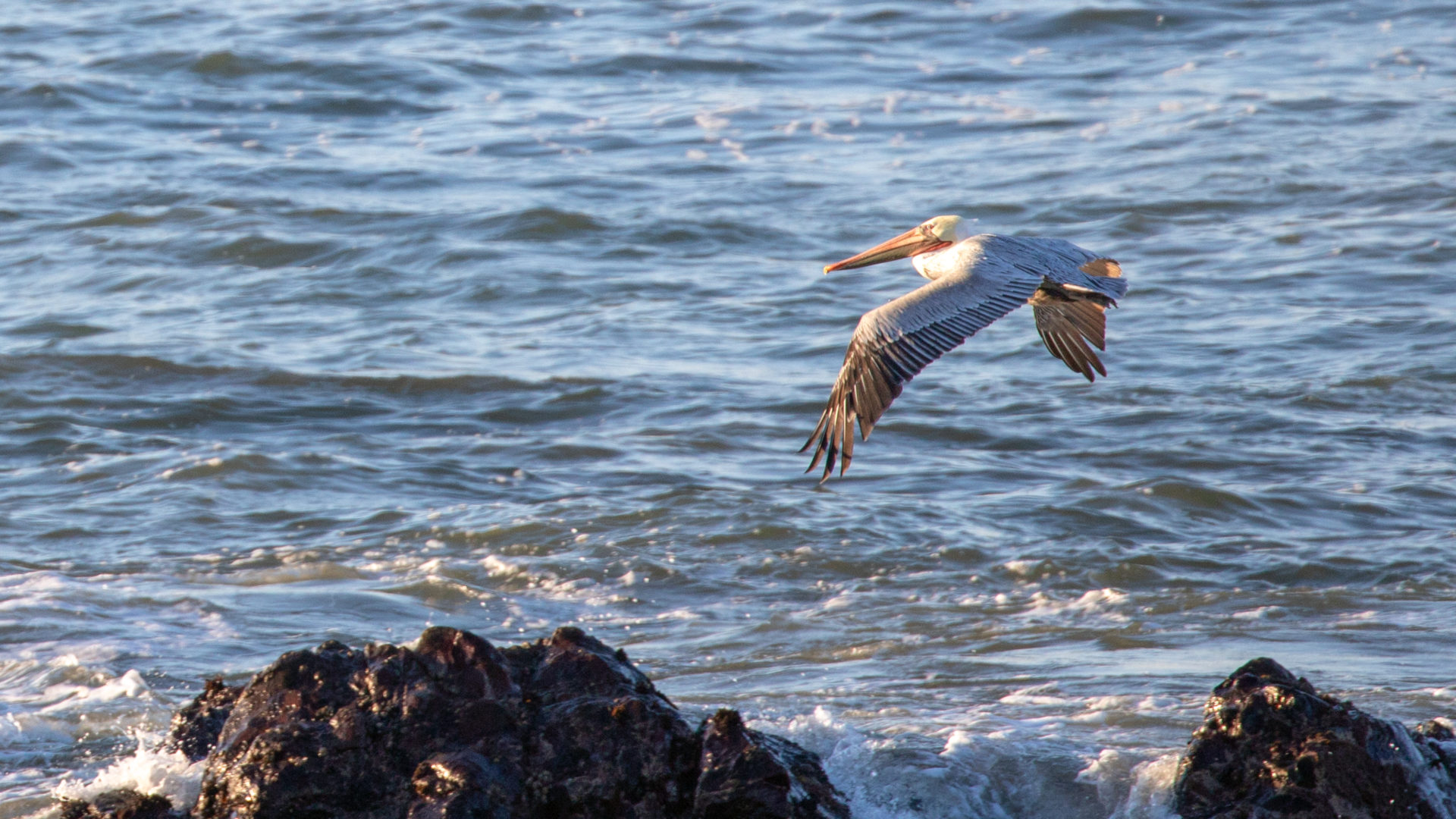
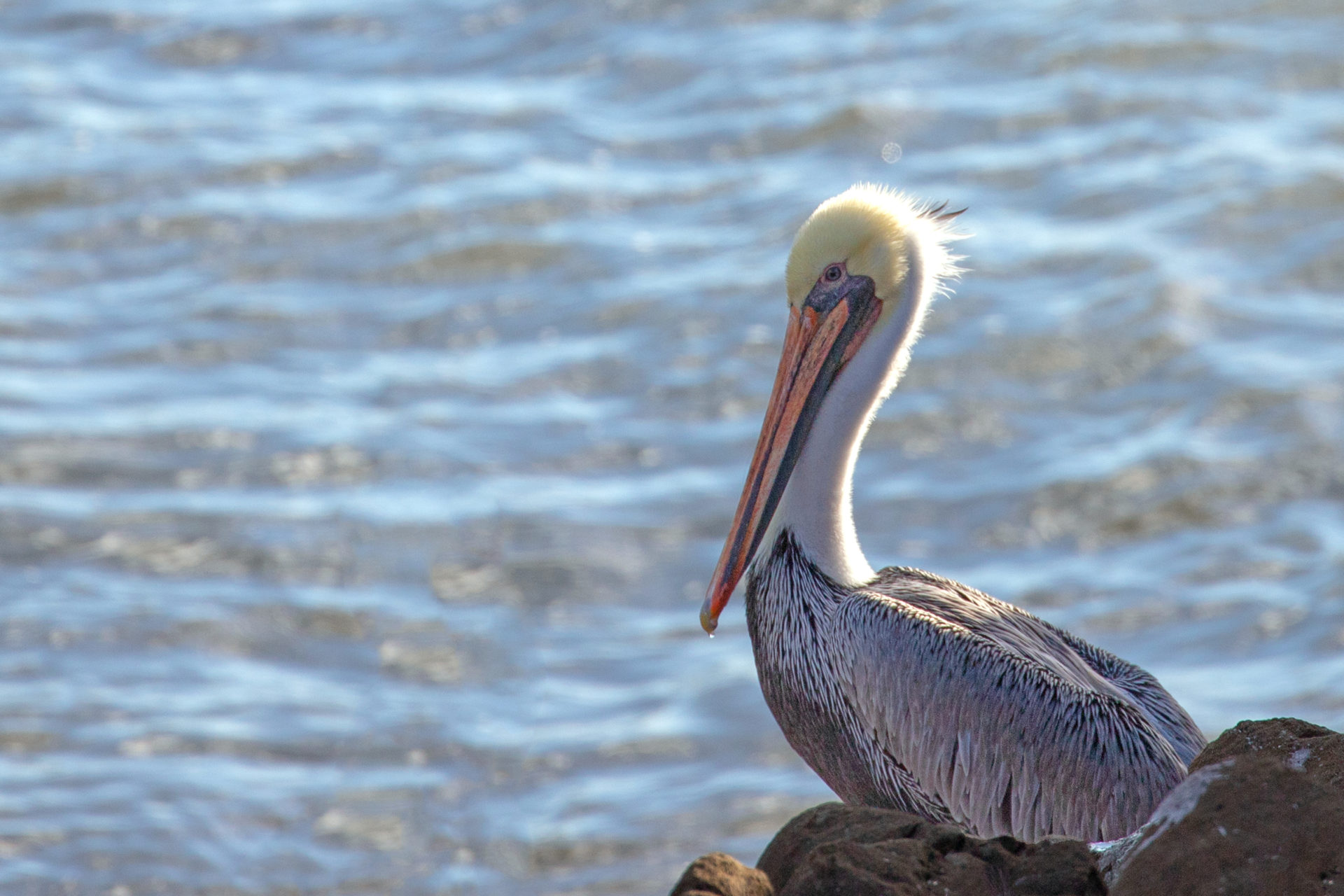
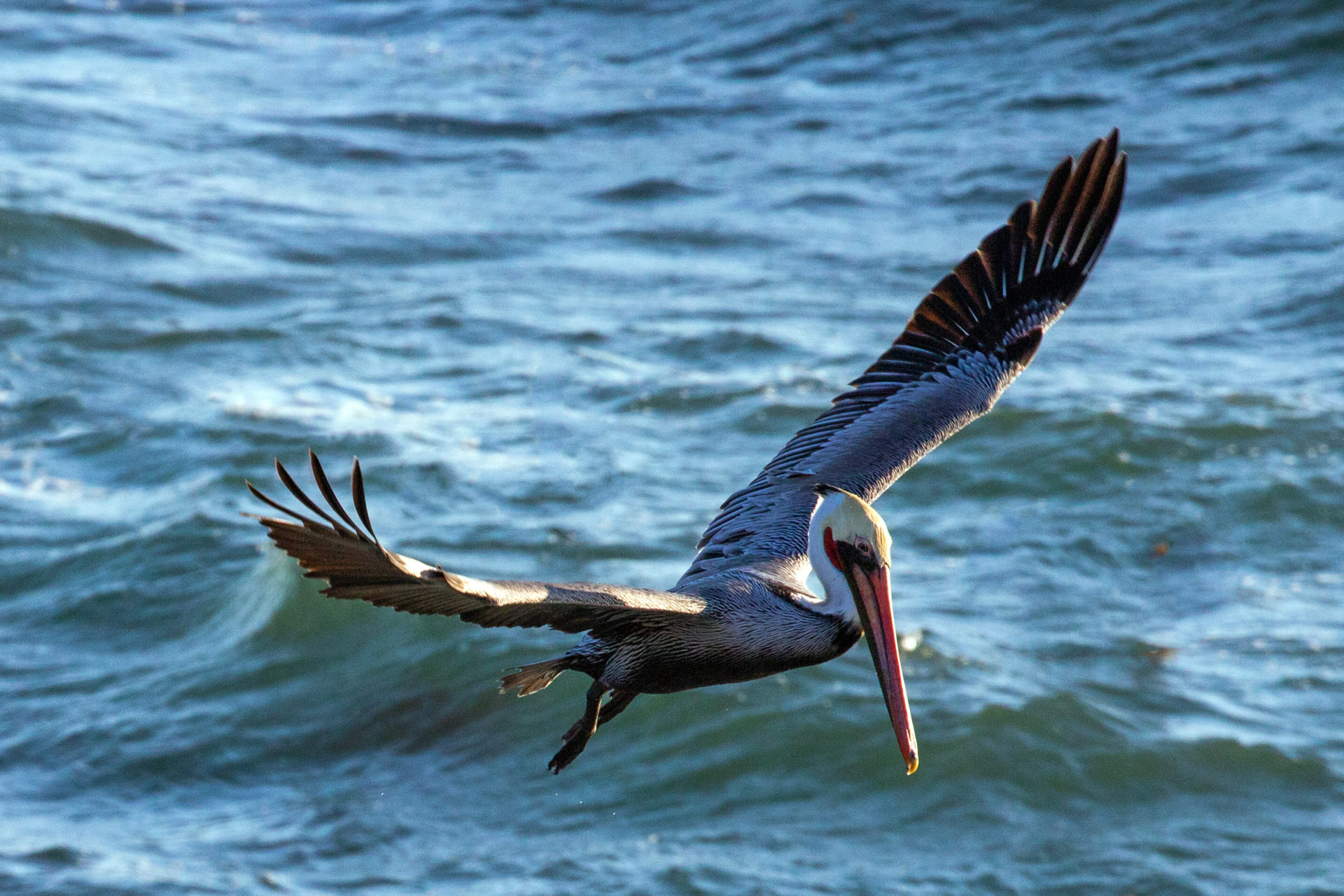
Brown pelicans are one of the great everyday sights along the Cambria coast.
You’ll see them gliding just above the water, often in long, synchronized lines. Then, without warning, one folds itself into a dive and disappears into the ocean.
They are especially easy to spot from Moonstone Beach, Leffingwell Landing, and the bluff trails at Fiscalini Ranch.
Local viewing tip: mornings and late afternoons often give you the best light, especially when pelicans are feeding close to shore.
Etiquette: enjoy them from a distance. If birds flush, scatter, or change behavior because of you, you are too close.
Southern Sea Otters
The otters along this stretch of coast are southern sea otters, a federally protected subspecies and one of the Central Coast’s most beloved marine mammals. They are also a keystone species, meaning their presence helps shape the health of the ecosystem around them, especially kelp forest and nearshore habitat.
You might see them floating belly-up beyond the surf, wrapped in kelp, grooming, resting, or cracking shellfish against their chests.
Good places to look:
- Moonstone Beach
- Leffingwell Landing
- San Simeon Cove
- kelp beds visible from coastal bluffs
Local viewing tip: bring binoculars. The best otter-viewing is often from shore, where you can watch without disturbing them. Sea Otter Savvy emphasizes that responsible viewing means giving otters enough distance that they do not react to your presence.
Etiquette: never try to get closer for a photo. If an otter looks at you, changes direction, dives suddenly, or stops resting, you may already be too close.
Black-Tailed Deer
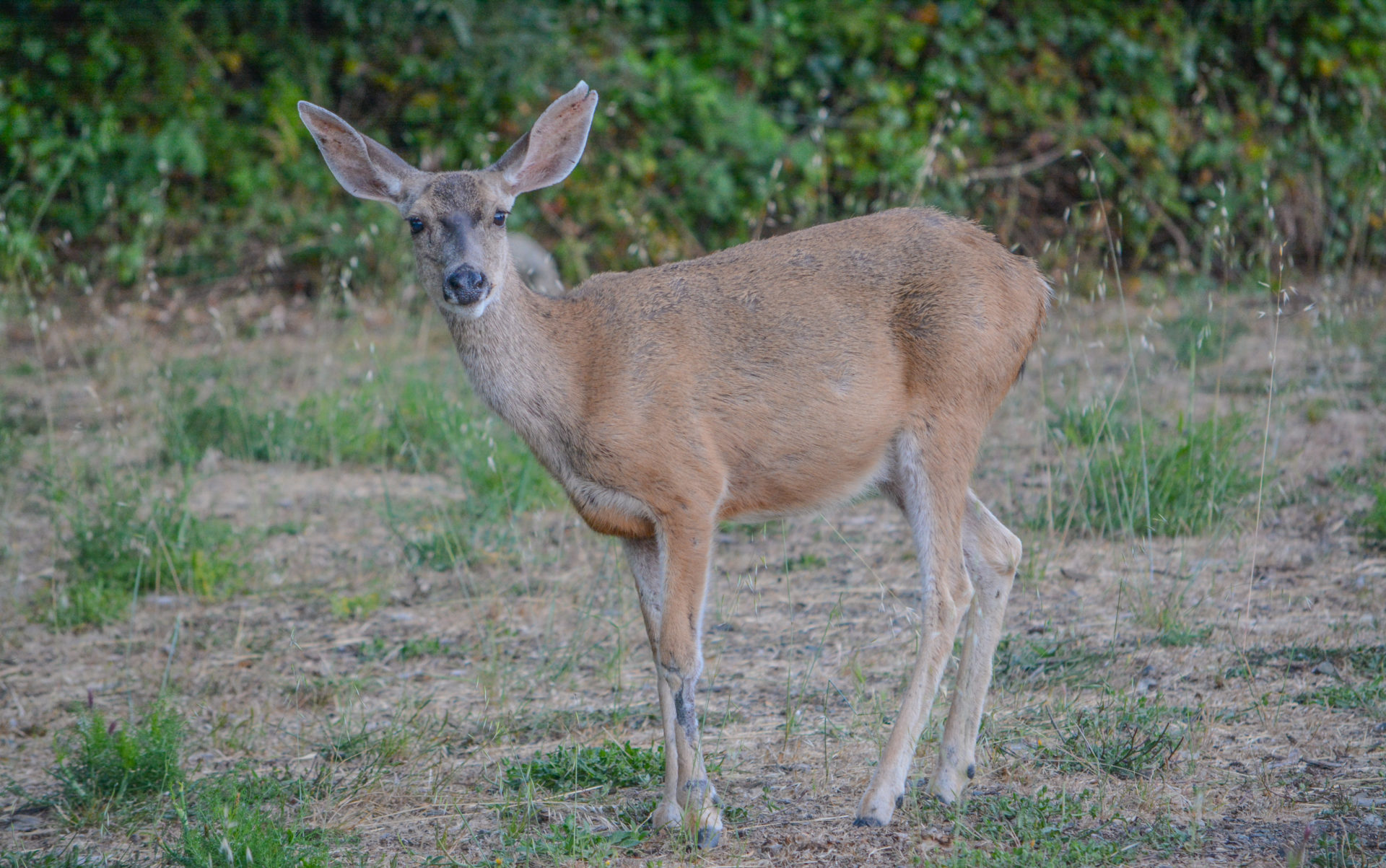
Deer are part of everyday life in Cambria.
You’ll see them near pine-covered neighborhoods, around Fiscalini Ranch, and along quieter streets in the morning and evening. They are familiar enough that locals sometimes forget how magical they look to visitors.
They are also a serious road-safety issue.
Local safety note: Cambria’s residential streets often have deer crossing unexpectedly, especially near dawn and dusk. Drive slowly, stay alert on curves, and assume that if you see one deer, another may be nearby.
Etiquette: do not feed them. Feeding deer changes their behavior, draws them toward roads and neighborhoods, and creates problems for both wildlife and people.
Raccoons, Skunks, Squirrels, Rabbits, and the Night Crew
Not every Cambria animal is dramatic.
Some are just part of the local cast.
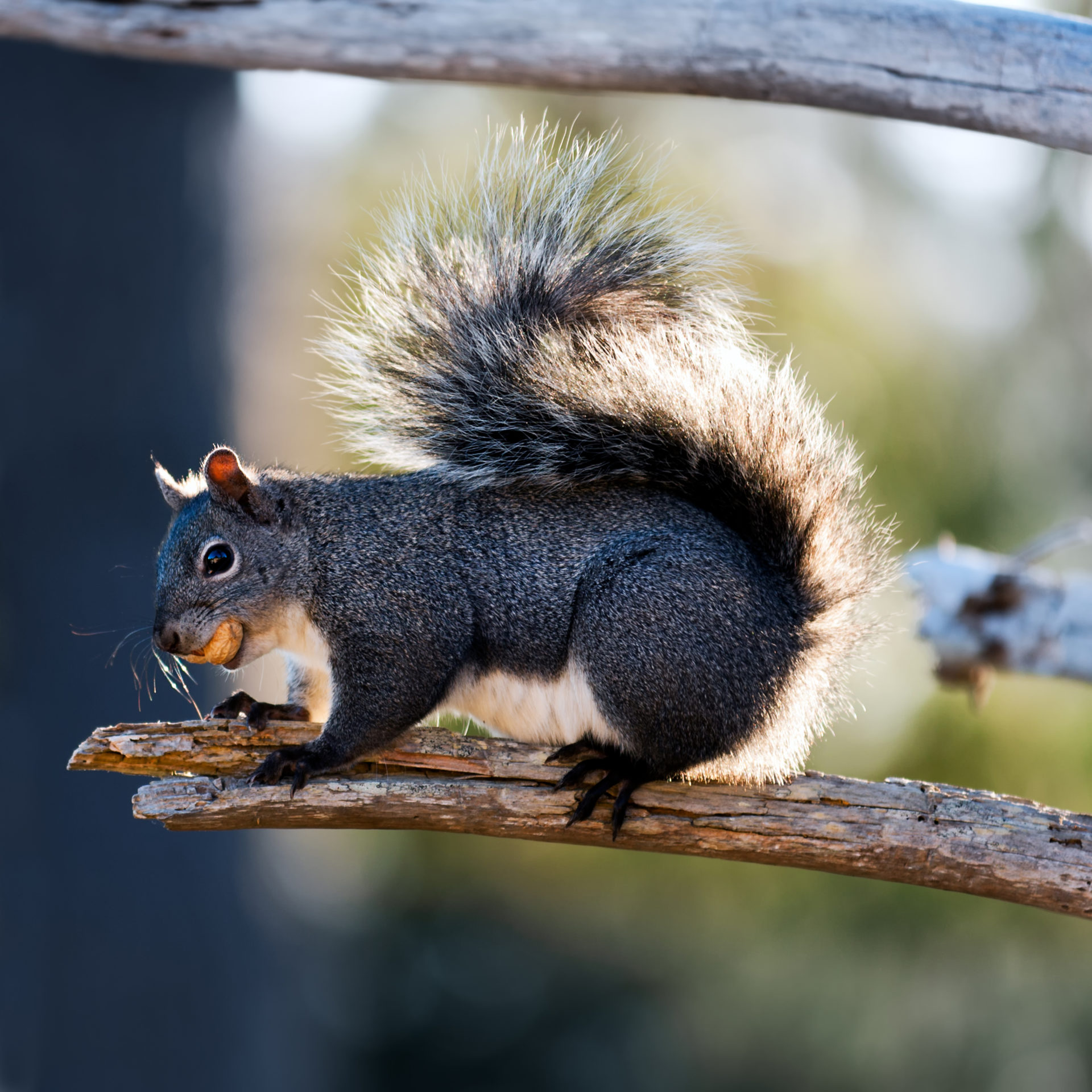
Around town and the edges of open space, you may see raccoons, striped skunks, California ground squirrels, western gray squirrels, brush rabbits, and the occasional opossum. Community-science records like iNaturalist also show the range of mammals, birds, reptiles, amphibians, and invertebrates documented in the Cambria area.
Local safety note: skunks and raccoons are most active at night. Keep trash secured, do not leave pet food outside, and give wildlife space if you encounter them after dark.
Dog note: skunks are not looking for trouble, but dogs often are. Keep dogs close at night, especially near wooded lots, trails, and quiet roads.
The Birdlife Is Better Than People Realize
Birders already know the Central Coast is special.
Morro Bay, just south of Cambria, sits along the Pacific Flyway and is recognized as a major birding area. The Morro Bay Bird Festival notes that more than 200 bird species typically migrate to the Central Coast each winter, and the county’s birding community tracks hundreds of species across San Luis Obispo County.
Cambria benefits from that same broader migration corridor.
Birds You Are Likely to See
Along the coast:
- brown pelicans
- western gulls
- cormorants
- black oystercatchers
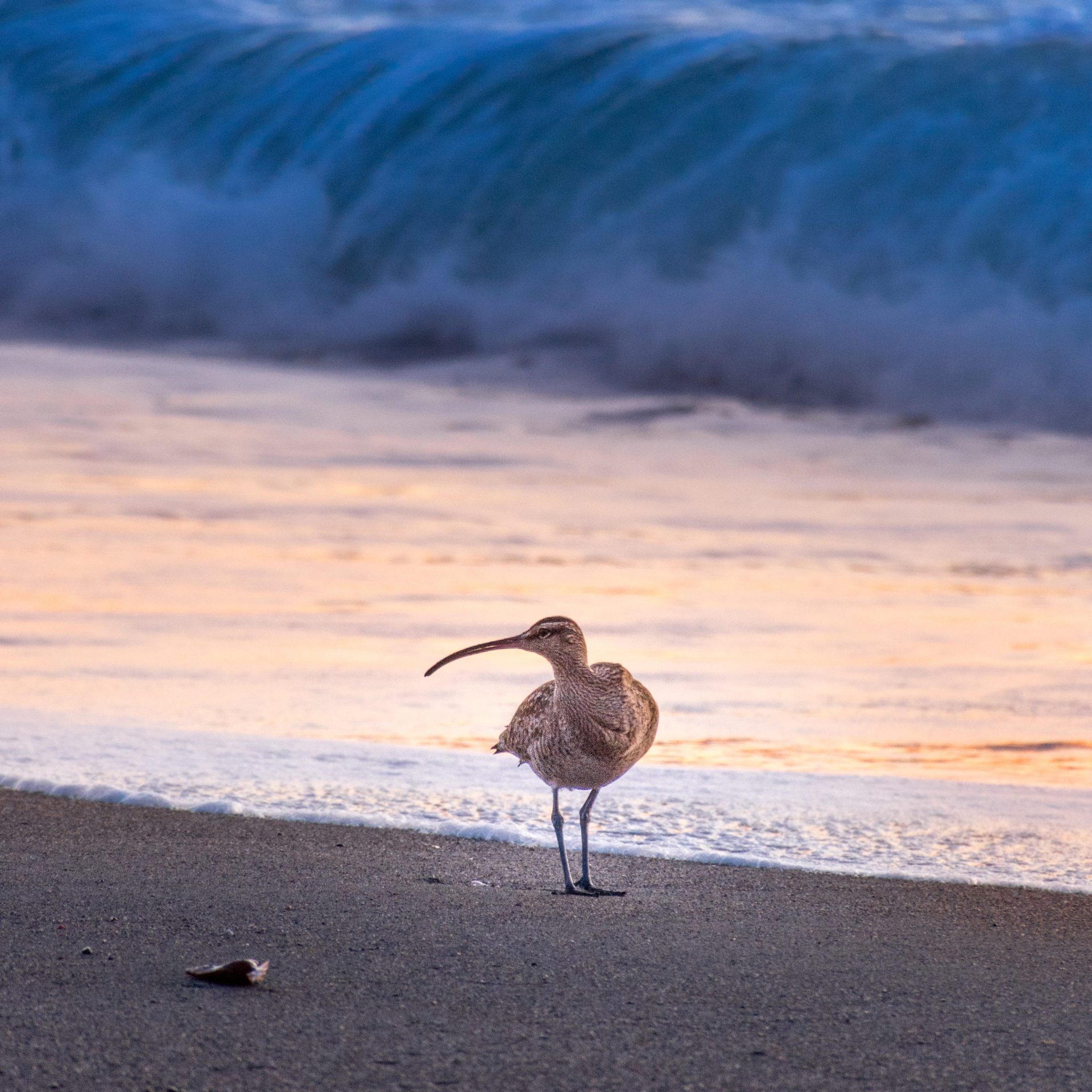
- shorebirds along beaches and rocky edges
Around Fiscalini and open spaces:
- red-tailed hawks
- turkey vultures
- ravens
- sparrows
- swallows
- scrub-jays
In wooded areas and near dusk:
- great horned owls
- barn owls
- western screech-owls may be possible in suitable habitat, though they are more often heard than seen
Fiscalini Ranch is a particularly strong birding location because its habitat mix includes wetlands, seasonal marshes, riparian corridors, coastal prairie, and Monterey pine forest. Visit Cambria specifically notes cedar waxwing and swamp sparrow in the preserve’s wetland and tidal-influenced areas.
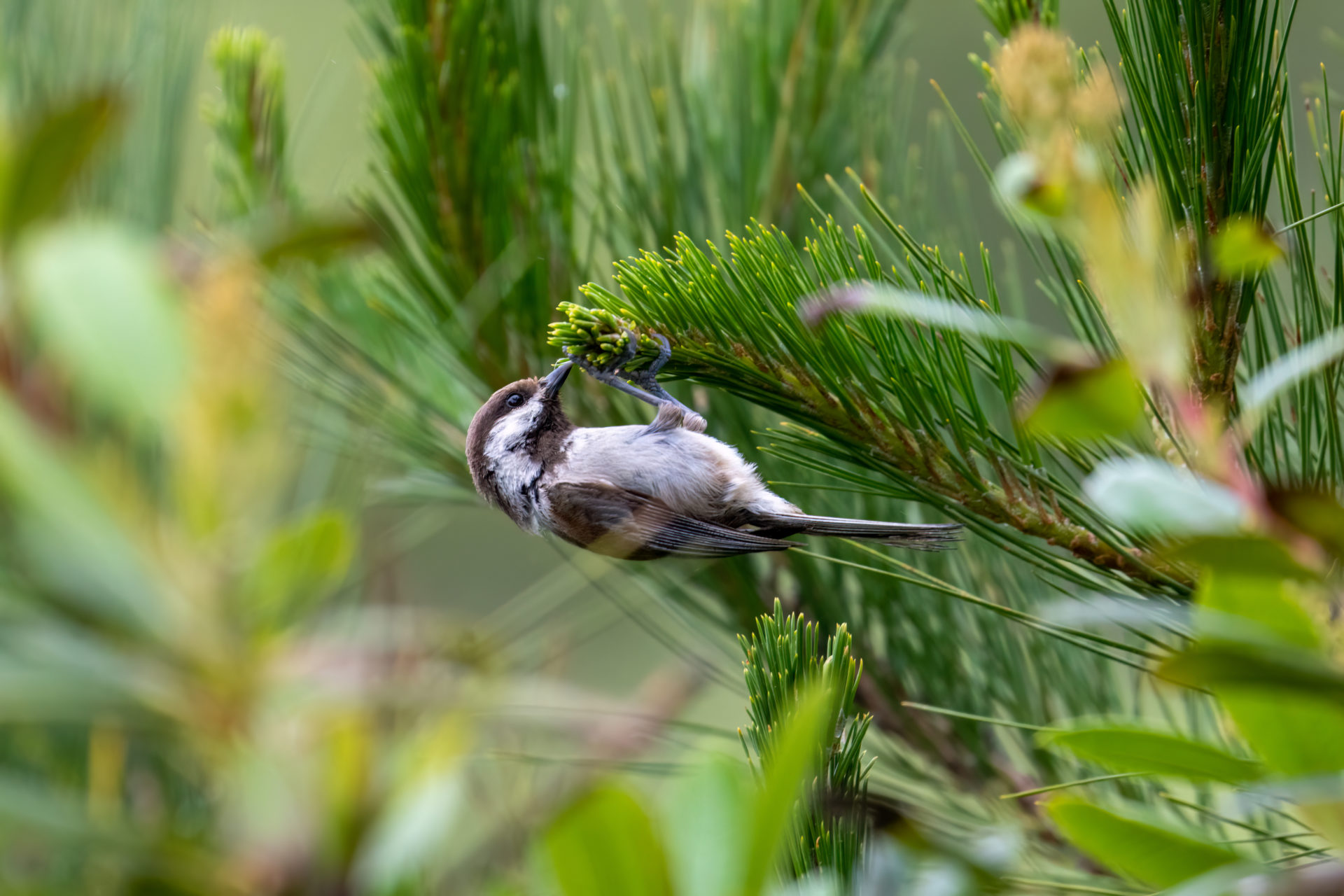
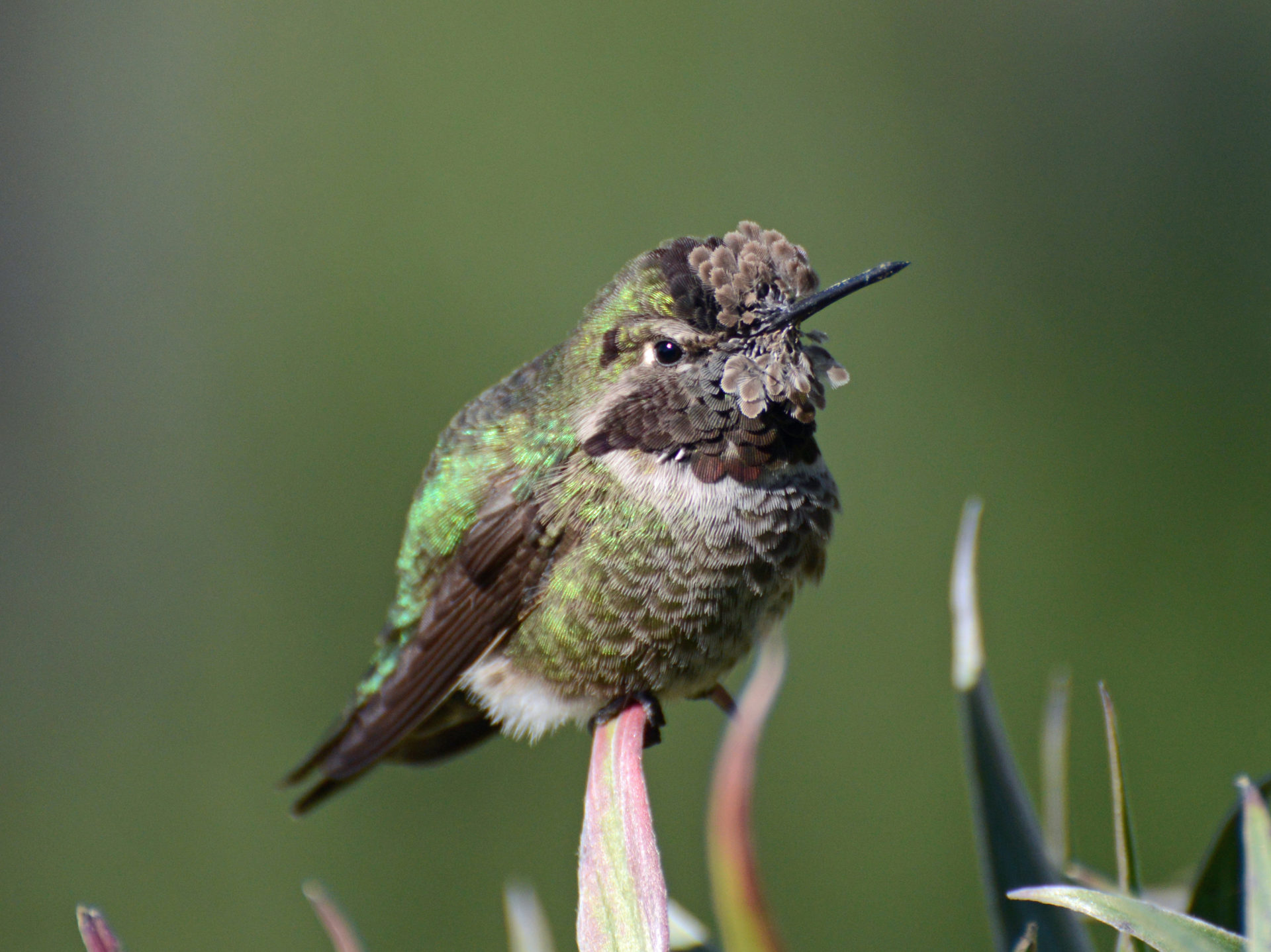
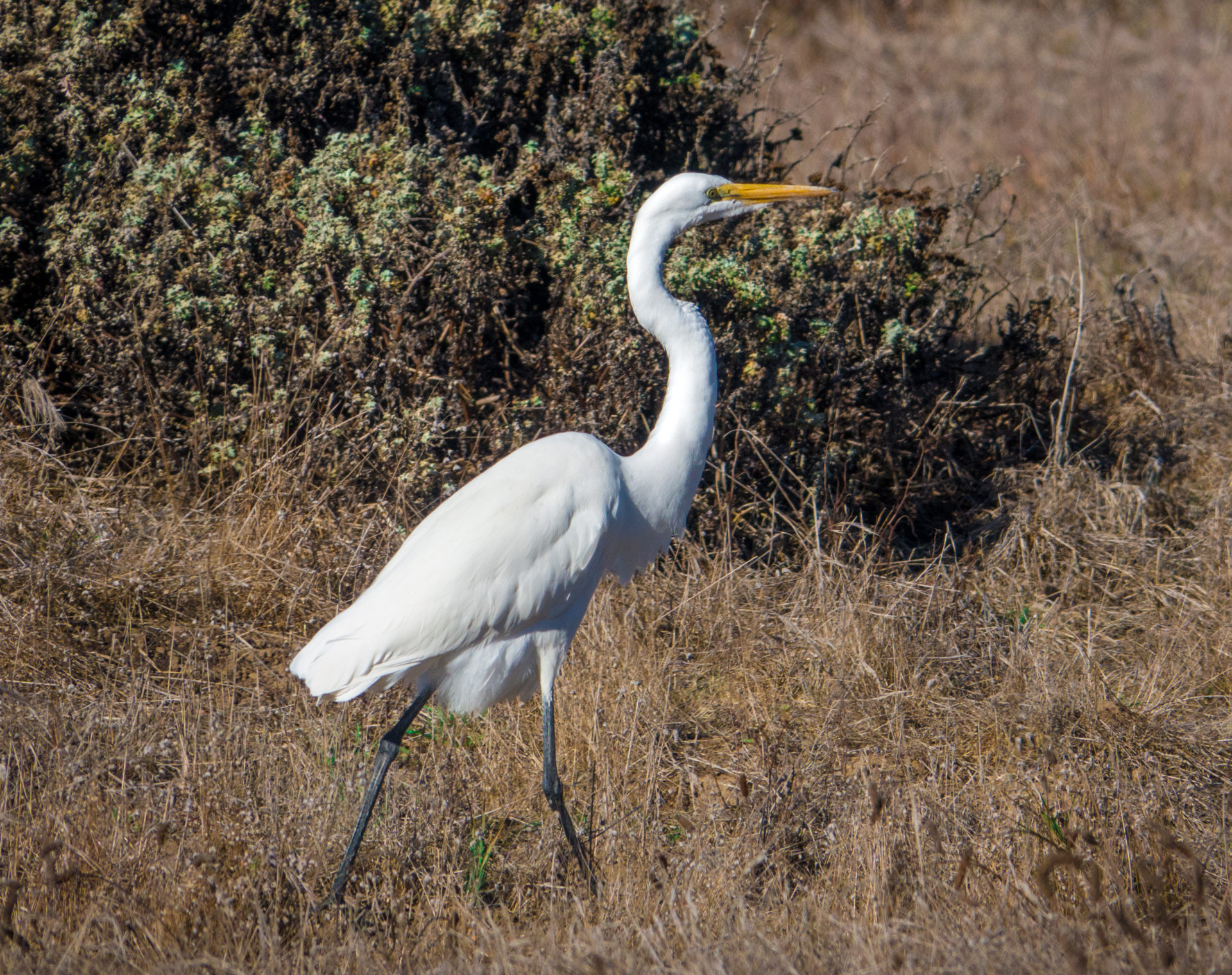
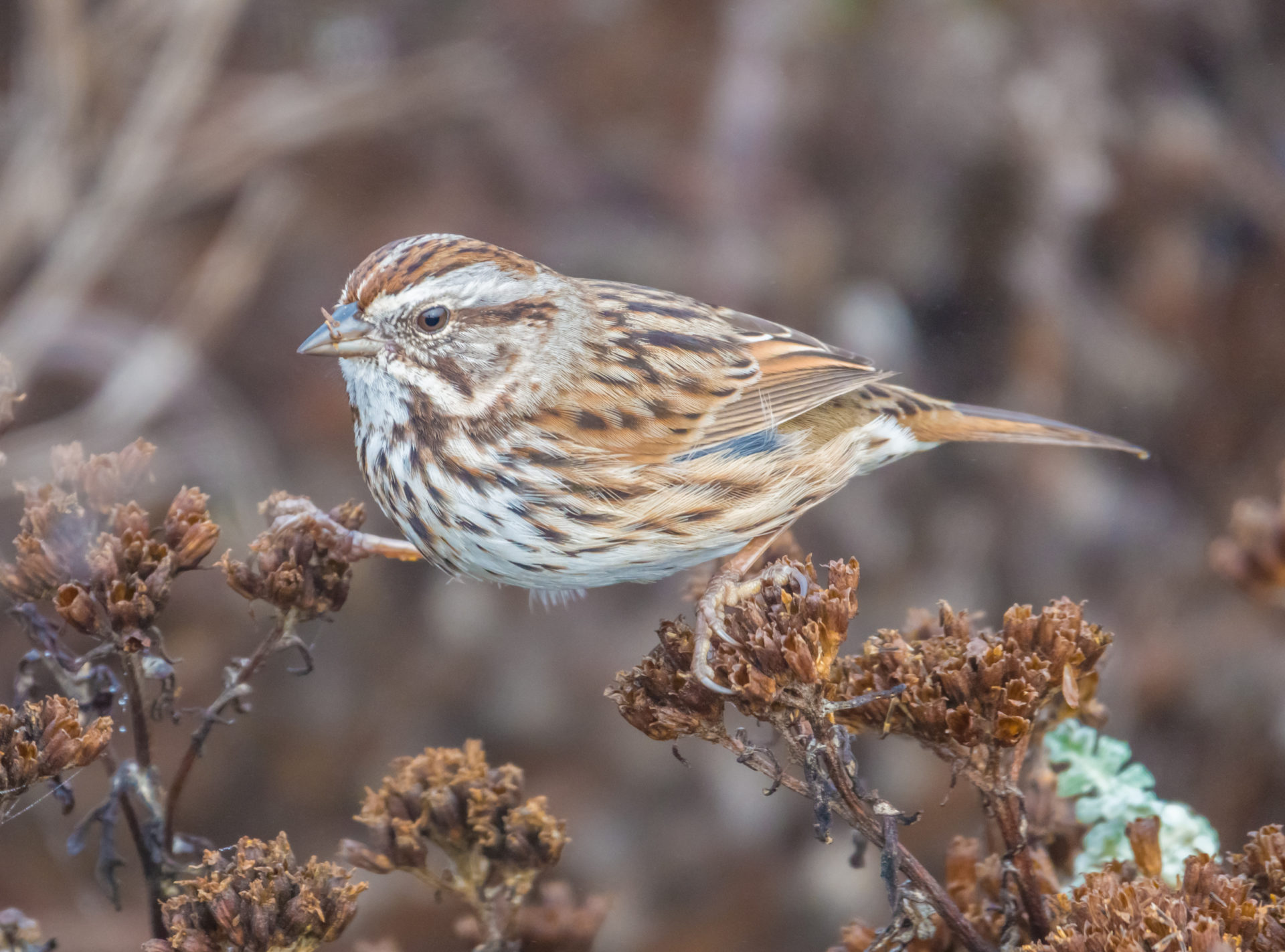
Pictured: Hidden Kitchen, Cambria
Bald Eagles
Bald eagle sightings are possible in San Luis Obispo County and are worth treating as a special sighting, not an everyday guarantee. If you see one, especially near open water or higher perches, it is absolutely worth stopping for. The county birding lists and Cornell resources support bald eagles as part of the broader regional birding picture, but for Cambria content we should phrase this carefully as a notable possibility, not a promise.
Birding tip: bring binoculars even for casual walks. Cambria rewards people who look up.
Wildlife People Come Here Hoping to See
Whales From Shore
Cambria is one of those rare places where whale watching does not require a boat.
Gray whales migrate along the California coast in winter and spring, and shore-based sightings are possible from Moonstone Beach, Fiscalini Ranch, Leffingwell Landing, and San Simeon. The Whale Trail identifies many California coastal sites for shore-based whale watching, and this stretch of coast fits that experience beautifully.
What you might see:
- a blow offshore
- a rolling back
- a tail
- occasionally, a breach
Spring is especially good for northbound gray whale migration. Later in the year, humpback whale sightings become more possible in Central California waters.
Viewing tip: scan slowly. Look for the blow first, not the body. The waiting and enjoying the coastal setting is part of the fun!
Etiquette: if viewing from a boat or kayak, NOAA recommends staying at least 100 yards from whales and at least 50 yards from dolphins, seals, and sea lions.
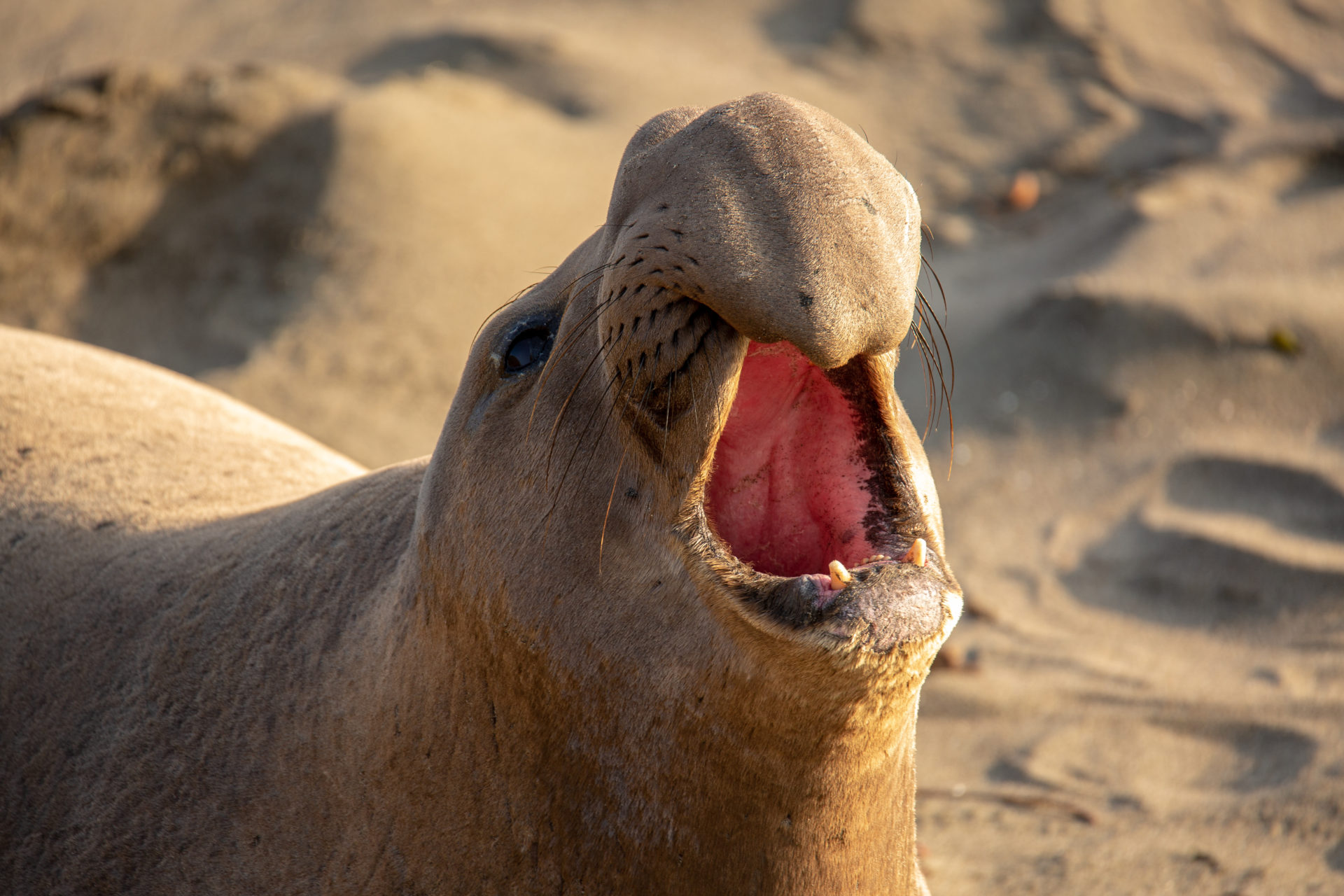
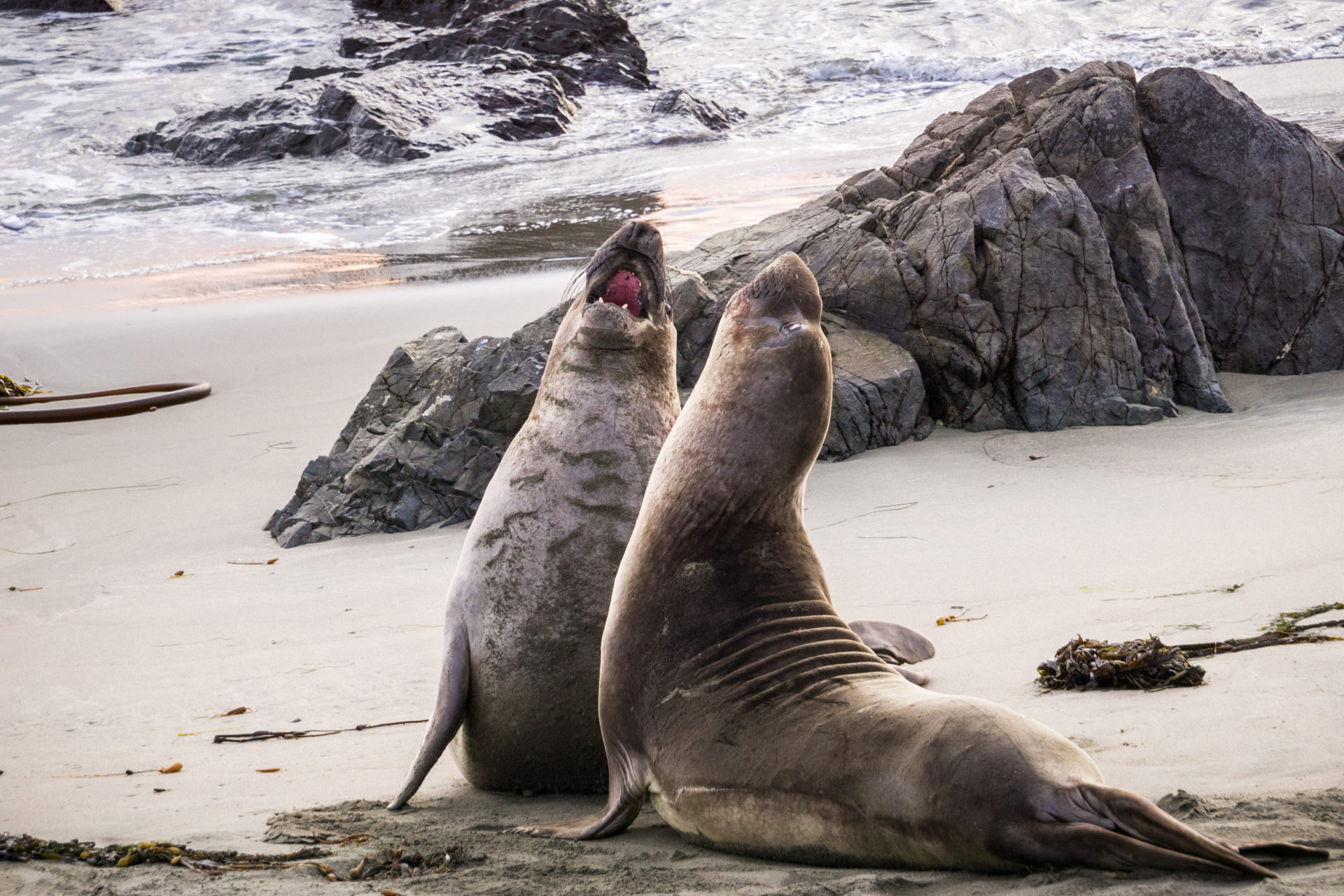
Northern Elephant Seals
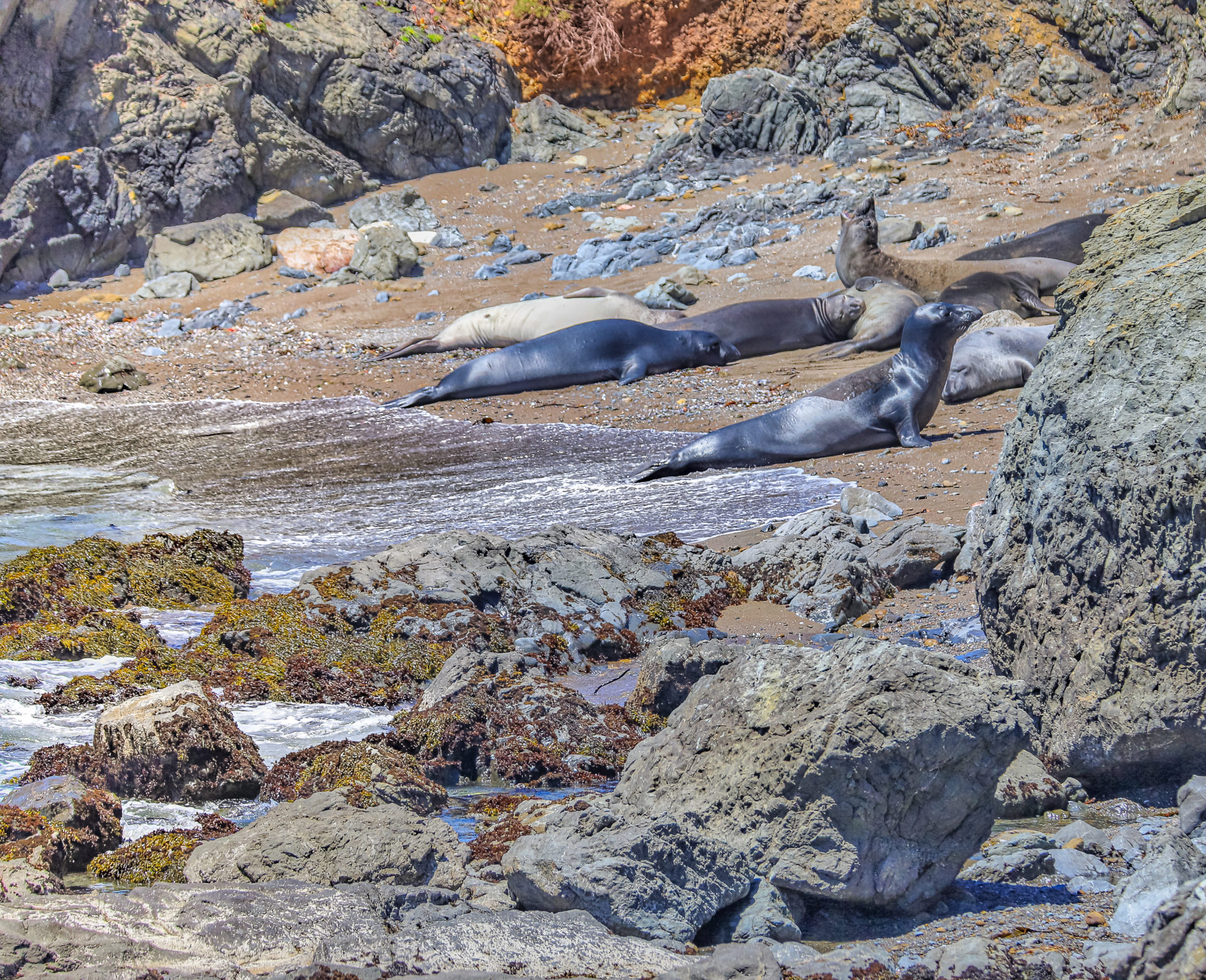
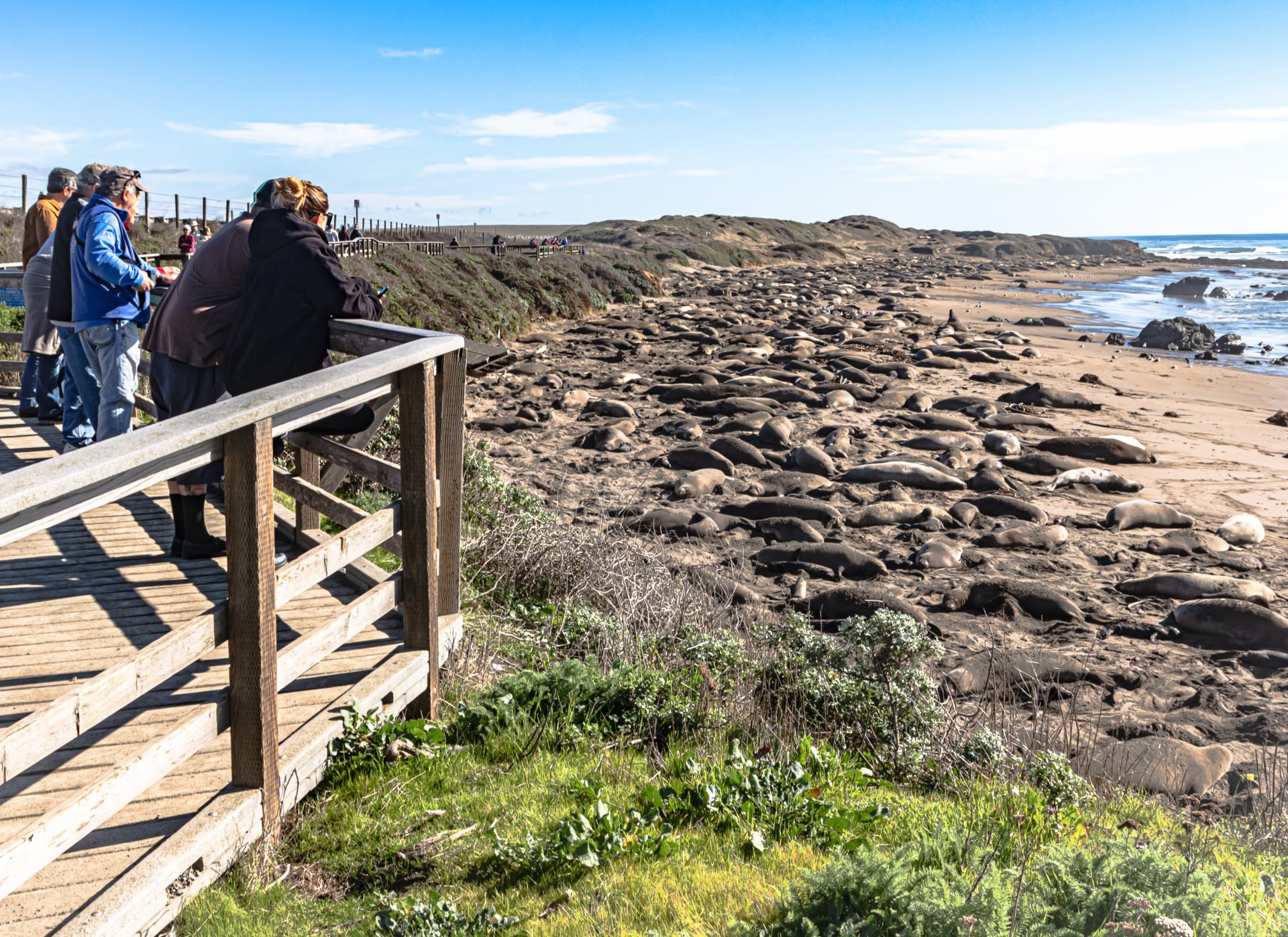
Just north of Cambria, the Piedras Blancas rookery near San Simeon is one of the most extraordinary wildlife experiences on the California coast.
These are northern elephant seals, and the rookery is home to thousands of animals throughout the year. Visit Cambria cites roughly 17,000 animals associated with the rookery, and Friends of the Elephant Seal provides year-round viewing guidance and seasonal interpretation.
Seasonal highlights:
- January: females arrive and pupping peaks late in the month
- February: mating, fighting, and weaning are active
- March: adults begin leaving the beach
- Fall: juvenile “haul-out” periods bring younger seals back to shore
Safety note: elephant seals are wild, powerful animals and protected by law. Stay on viewing platforms and trails, and never enter the beach area with seals. Friends of the Elephant Seal specifically notes visitor etiquette because elephant seals can be dangerous.
Dolphins and Porpoises
Dolphin sightings are less predictable, but they happen.
From the bluffs, you may occasionally see small groups moving offshore or riding waves. They tend to appear suddenly, which is part of the fun.
Best places to scan:
- Fiscalini bluff trail
- Moonstone Beach
- Leffingwell Landing
- San Simeon coastline
Viewing tip: watch for repeated dorsal fins moving in rhythm across the surface. Birds feeding in one area can sometimes signal baitfish, which may attract marine mammals.

Rare Treats Locals Still Talk About
Bobcats
Bobcats live in the broader Cambria area and are occasionally seen in quiet open-space areas, especially along trails and brushy edges. They are usually quick, silent, and gone before you fully register what happened.
Best chance: early morning or quieter trail times.
Etiquette: keep distance and do not follow. A bobcat sighting is a gift. Let it pass.
Mountain Lions
Mountain lions are present in San Luis Obispo County, but sightings are uncommon because they generally avoid people. They are still worth mentioning for safety, especially around dawn, dusk, and night. CDFW recommends avoiding hiking or jogging alone at dawn, dusk, or at night in mountain lion habitat, keeping pets secure, reducing attractants, and making yourself look large if you encounter one.
Local safety note: do not run if you see a mountain lion. Face the animal, make yourself look larger, speak firmly, and back away slowly.
This is not meant to scare people. It is part of living near wild habitat.
Black Bears
Bear sightings around Cambria are rare, but black bears do occur in California and occasionally wander into unexpected coastal areas. Treat bear references as a safety note, not a likely wildlife-viewing opportunity. CDFW and U.S. Fish & Wildlife emphasize securing food, trash, and attractants in bear country because bears are opportunistic and can learn quickly where food is available.
Practical note: if camping, staying rurally, or visiting inland areas, secure food and trash. Never approach or feed a bear.
Otters With Pups
Sea otter mothers carrying pups are one of the most memorable sightings on the coast.
They are also especially vulnerable to disturbance. Resting and grooming are essential behaviors for sea otters because maintaining their fur helps them stay warm in cold Pacific waters. Sea Otter Savvy’s guidance is clear: the best viewing is from a respectful distance where otters can continue natural behavior undisturbed.
If you see a mother and pup, give them extra room.
Tide Pools: A Tiny World With Big Responsibility
Cambria’s tide pools are some of the easiest wildlife experiences to overlook and some of the easiest to damage.
At low tide, rocky shelves reveal:
- sea anemones
- mussels
- barnacles
- crabs
- snails
- sea urchins
- sea stars when conditions and populations allow
- small fish in deeper pools
California State Parks recommends dressing in layers, wearing closed-toe shoes with good tread, and making safety and etiquette priorities when visiting tide pools.
Tide pool rules worth repeating:
- step only on bare rock or sand when possible
- avoid stepping on algae, mussels, barnacles, or living surfaces
- do not remove animals, shells, rocks, or plants
- never pry animals from rocks
- check tides before going
- keep an eye on waves at all times
The best tide pool visit is one where the tide pools look untouched after you leave.
Where to Look
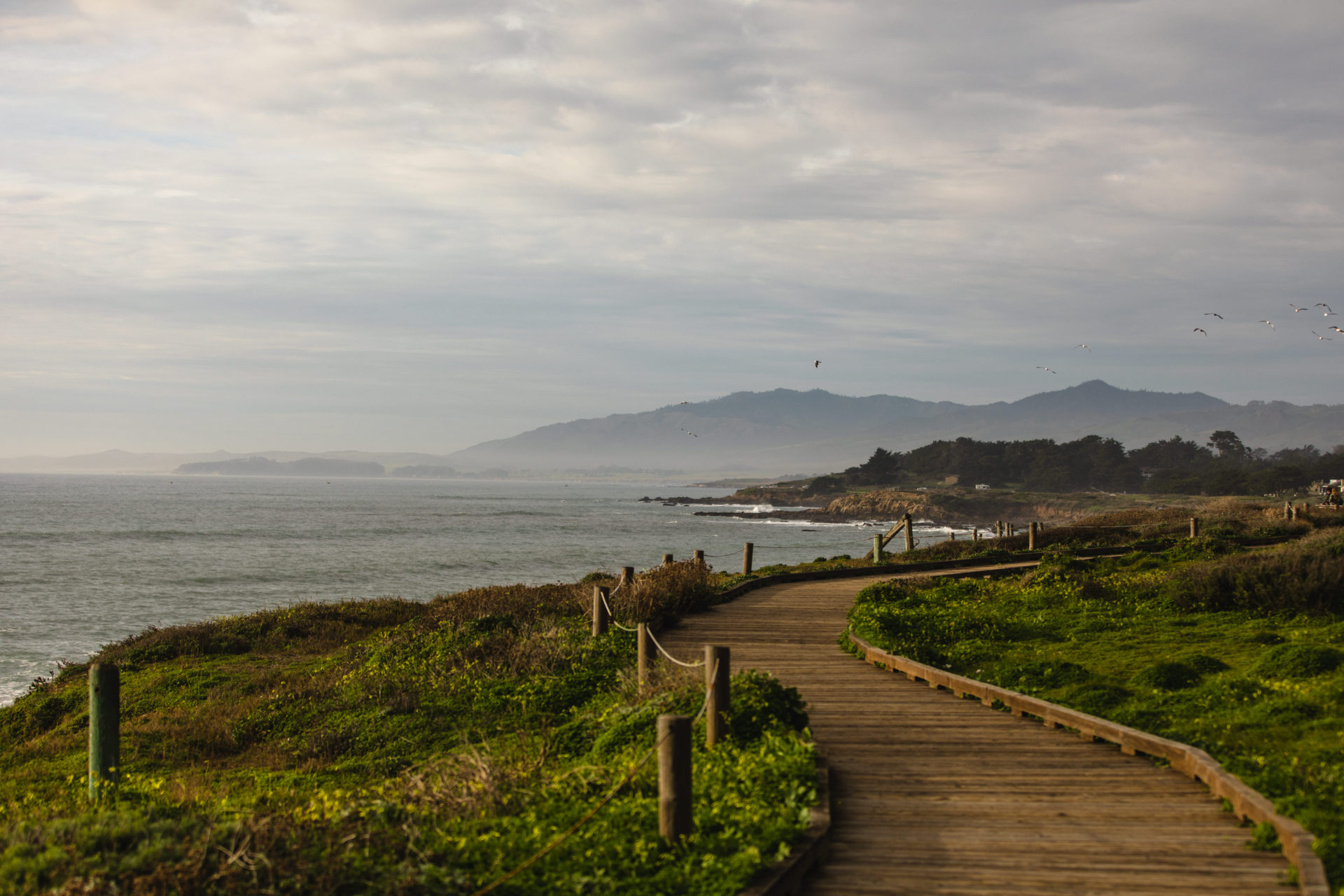
Moonstone Beach
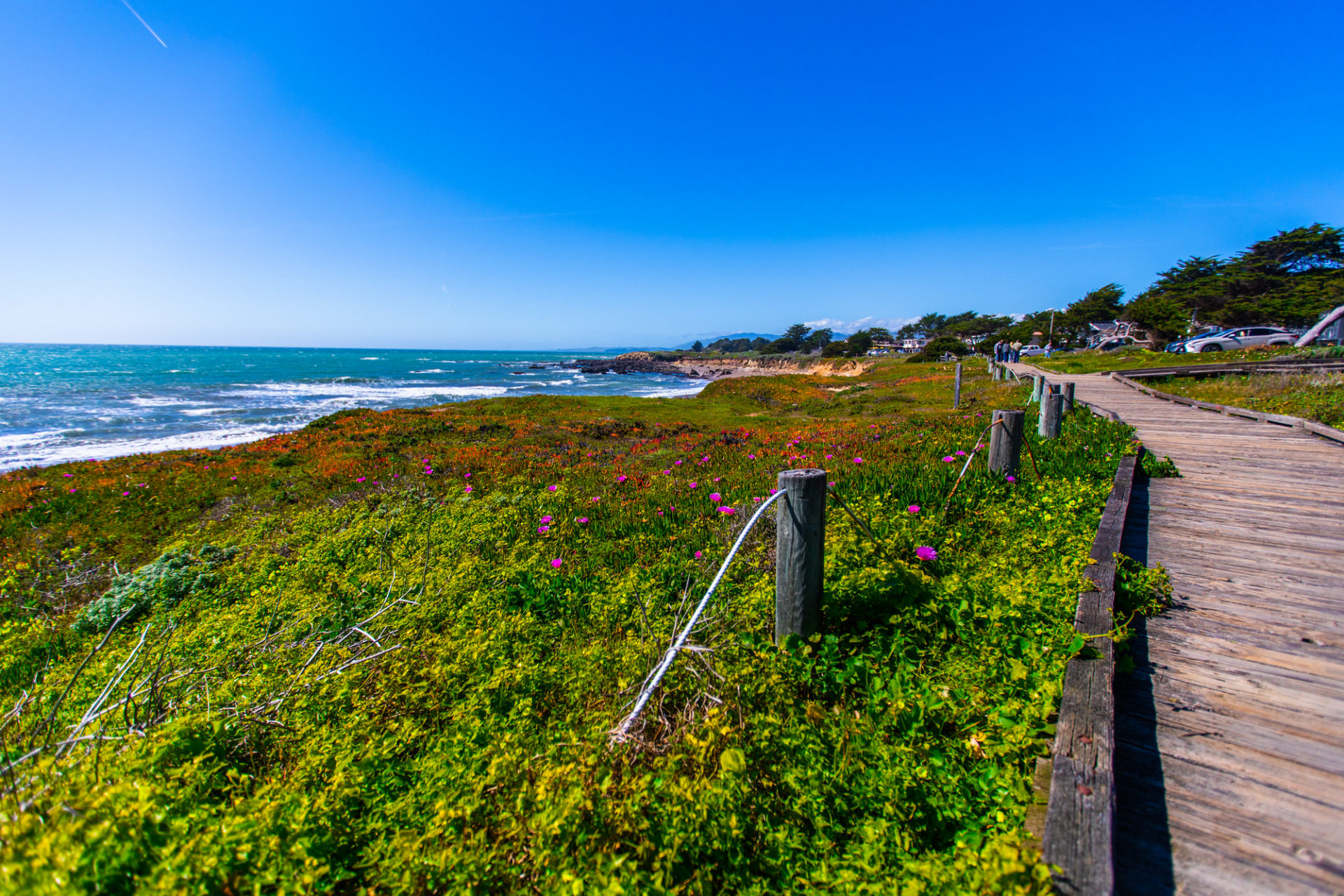
Best for sea otters, pelicans, gulls, shorebirds, whales offshore, and casual wildlife watching from the boardwalk.
Leffingwell Landing
Best for rocky shoreline, seabirds, tide pools at low tide, and scanning kelp beds.
Fiscalini Ranch Preserve
Best for deer, raptors, rabbits, bobcat possibility, owls near dusk, whales offshore, and birding across multiple habitats.
Sherwood Drive Coastal Access
Best for tide pools and rocky shoreline exploration during safe low-tide conditions.
San Simeon and Piedras Blancas
Best for elephant seals, seabirds, and coastal wildlife, with Hearst Castle and the elephant seal rookery nearby.
Ragged Point
Best for dramatic coastal viewing, seabirds, and broad ocean scanning. Wildlife is not guaranteed, but the views make the search worthwhile.
Wildlife Safety, Especially Around Town
Cambria’s wildlife lives close to people.
That is part of the charm, but it also requires care.
Drive Slowly
Deer, raccoons, skunks, and other animals often cross local roads, especially early and late in the day. Cambria’s posted speed limits matter. They protect people, pets, and wildlife.
Keep Dogs Close
Dogs can disturb wildlife even when they are friendly. Keep dogs leashed where required, especially near tide pools, beaches, trails, and elephant seal areas.
Do Not Touch Sick or Dead Wildlife
This is especially important right now. San Luis Obispo County health officials recently reported H5N1 bird flu in a deceased sea lion and advised the public not to touch or help sick or dead wildlife. For marine mammals, report to the NOAA West Coast Marine Mammal Stranding Hotline at 866-767-6114. For birds, contact CDFW at 916-358-2790.
Never Feed Wildlife
Feeding wildlife makes animals less wild and more likely to approach roads, homes, pets, and people.
Use Binoculars
This is the easiest upgrade. You see more and disturb less.
The Best Times of Year for Wildlife in Cambria
Winter
Elephant seal pupping and breeding, gray whale migration, storm-driven seabird activity, and dramatic coastal watching.
Spring
Wildflowers, northbound gray whale migration, active birdlife, young wildlife, and greener trails.
Summer
Sea otters, dolphins, pelicans, tide pooling during low tides, and longer evenings for watching from the bluffs.
Fall
Clearer coastal visibility, quieter trails, juvenile elephant seal haul-outs in the broader San Simeon area, and migratory bird movement.
A Local Way to Watch
The best wildlife watching in Cambria is not loud.
It is patient.
You stop at a bluff bench longer than you planned. You scan the kelp. You listen before you talk. You let the trail get quiet around you.
And then something moves.
That is the whole point.
Cambria wildlife is not a show. It is a relationship with a place that is still very much alive.
About the Author
The HelloCambria editorial team is made up of locals, photographers, hikers, birdwatchers, and longtime Central Coast explorers who spend a lot of time outside paying attention to the details that make this coastline special.
Many of us grew up watching pelicans skim the waves at Moonstone Beach, spotting deer at dusk along quiet streets, and stopping mid-conversation whenever someone yelled, “Whale!” from the bluffs. Over time, those ordinary encounters became part of how we understand Cambria itself.
Our goal is to help visitors experience this place with curiosity, respect, and a deeper appreciation for the wildlife and habitats that make the North Coast feel so alive year-round.
Whether you’re scanning the kelp beds for otters, listening for owls at dusk, or carefully exploring a tide pool at low tide, we hope this guide helps you slow down and notice more.